Module 10: Foundations of Development Communication

Objectives

After studying this chapter, you should be able to articulate the philosophical and theoretical foundations of development communication.

Activity

Activity 10.​ Read Chapter 10 of your text.

From the ideas presented in this chapter, make a list of five arguments from other disciplines that support the ascendancy of the development communication approach. Each item in the list should not be longer than one paragraph. Note down your answers in your DEVC 202 Journal.

Answer

Psychology helps DevComm by explaining how people think, feel, and make decisions. People don’t change just because we give them information. They change when the message connects to their emotions and motivations. This is why DevComm focuses on message, framing, and understanding what encourages people to act.
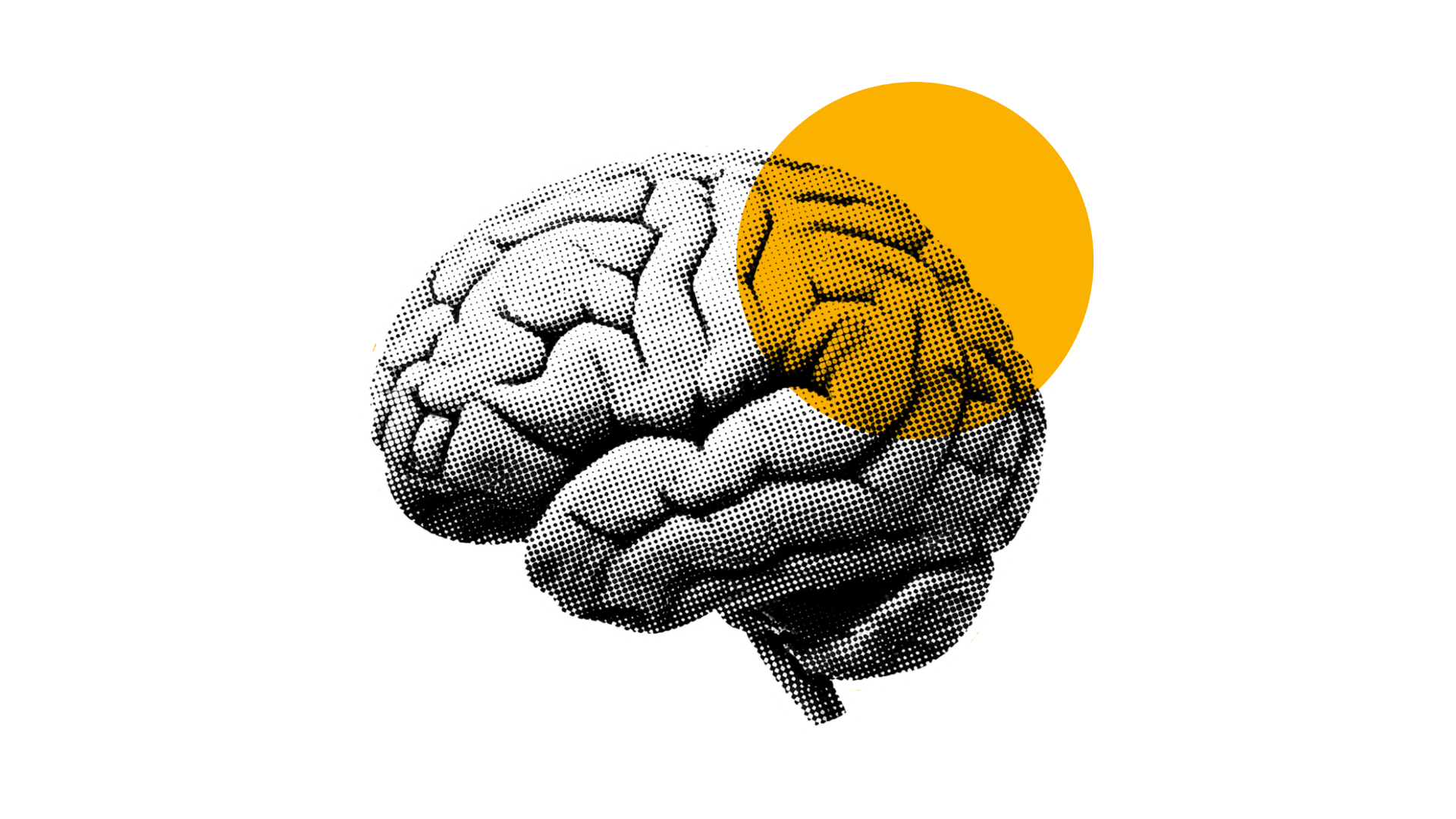

Biology supports DevComm by reminding us that people respond to information based on how their bodies and brains work. Stress, emotion, and sensory overload affect how messages are received. When DevComm respects these biological realities, communication becomes more effective and more human-centered.

Cybernetics strengthens DevComm by showing that communication works through feedback. You send a message, people respond, and you adjust. This is how DevComm works: it listens, adapts, and co-creates with communities instead of forcing information on them.

Economics supports DevComm because development depends on informed choices. People can only use resources wisely when they understand their options. DevComm helps reduce information gaps, enabling communities to make better decisions and improve their well-being.

Anthropology helps DevComm by emphasizing the importance of culture. People interpret messages based on their beliefs, traditions, and daily lives. When communication respects these cultural realities, development becomes more acceptable and sustainable.

Share the Post: